Sparrow and starling exclusion engineered for grain elevators, feed mills, ethanol plants, and food-grade storage across MO, KS, NE, IA, MN, and the Dakotas.
UV- and cold-stable netting, stainless hardware, and snow-load-rated anchoring engineered for North Dakota winters and Oklahoma summers alike.
The Great Plains has the heaviest agricultural bird pressure in North America. House sparrows and European starlings infest grain elevators, feed mills, and ethanol plants by the thousands — contaminating finished feed, triggering FDA and USDA-FSIS findings, and forcing recalls. Rock pigeons take over the loading areas at Kansas City and St. Louis distribution centers. And every fall, common grackle and red-winged blackbird roosts congregate in flocks that can hit the millions across Missouri, Kansas, and Oklahoma — a problem no single visit will solve. Rid-A-Bird builds exclusion programs specifically for this operating environment, mobilizing project crews out of Phoenix for multi-week commercial campaigns.
Pigeons want shelter; sparrows and starlings want food, and a grain elevator is an unlimited buffet. They wedge through one-inch gaps, nest inside head houses and conveyor galleries, and reproduce continuously inside heated structures all winter. Trapping alone is futile — population pressure from the surrounding agricultural landscape replaces every bird removed within days. The only durable answer is full structural exclusion: ¾-inch mesh netting on every elevator opening, screening on every vent and conveyor port, sealed dust-collection housings, and remediation of contaminated grain residue and droppings before exclusion goes up. We size netting and hardware for the freeze-thaw cycles, hail, and 70+ mph straight-line winds that the Plains throws at it.
Grain elevator head houses, conveyor galleries, leg towers, and rail load-out canopies. Feed mill receiving pits, hammer mill bays, and pellet cooler vents. Food processing roof penetrations, dock canopies, and refrigerated load-out doors. Distribution center loading dock canopies and high-bay rafters. Livestock barn rafters and feed bunk shelters. Ethanol plant grain handling buildings. Every site assessment we run maps every active nesting and roosting point — sealing 90% of access just funnels the birds to the remaining 10%.
¾-inch stainless mesh netting on head houses, leg towers, conveyor galleries, and rail load-out canopies — engineered to keep sparrows and starlings out of stored grain and finished feed.
Exclusion packages built to pass FDA, USDA-FSIS, and third-party audits (SQF, BRC, AIB). Stainless hardware, food-grade fasteners, and documentation our crews know how to deliver.
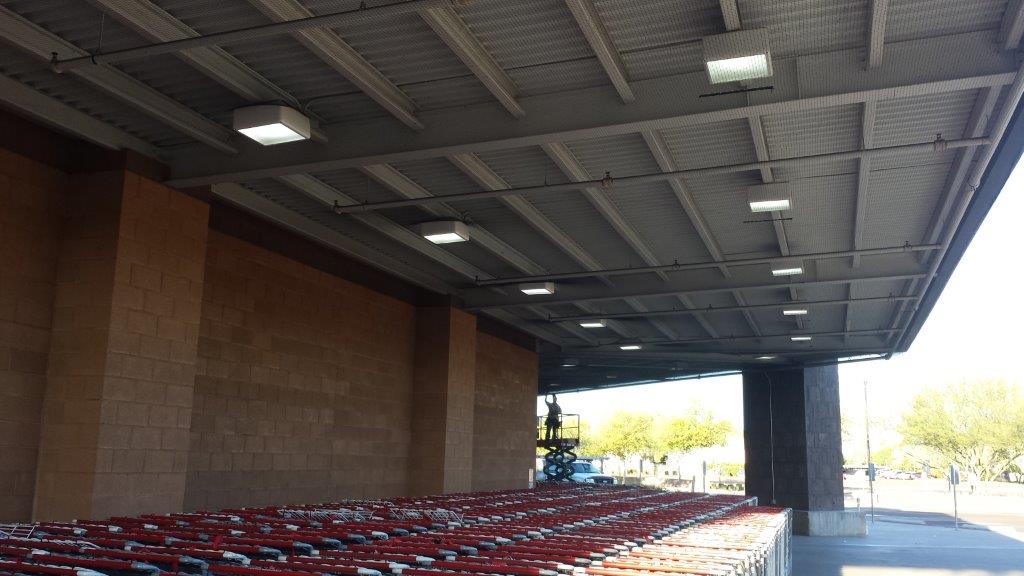
Loading dock and high-bay rafter netting for distribution centers in the KC, St. Louis, MSP, and OKC metros. Zippered access panels for lighting and sprinkler maintenance.
Netting, hardware, and anchoring rated for North Dakota and Minnesota winters — UV- and cold-stable polyethylene, stainless attachment, snow-load-rated tensioning.
Sustained harassment programs for fall grackle and red-winged blackbird roosts — pyrotechnics, distress audio, and laser dispersal coordinated with state and federal permits.
Lift work scheduled around harvest, rail load-out, and continuous food production. Overnight, weekend, and seasonal-shutdown installs available.